


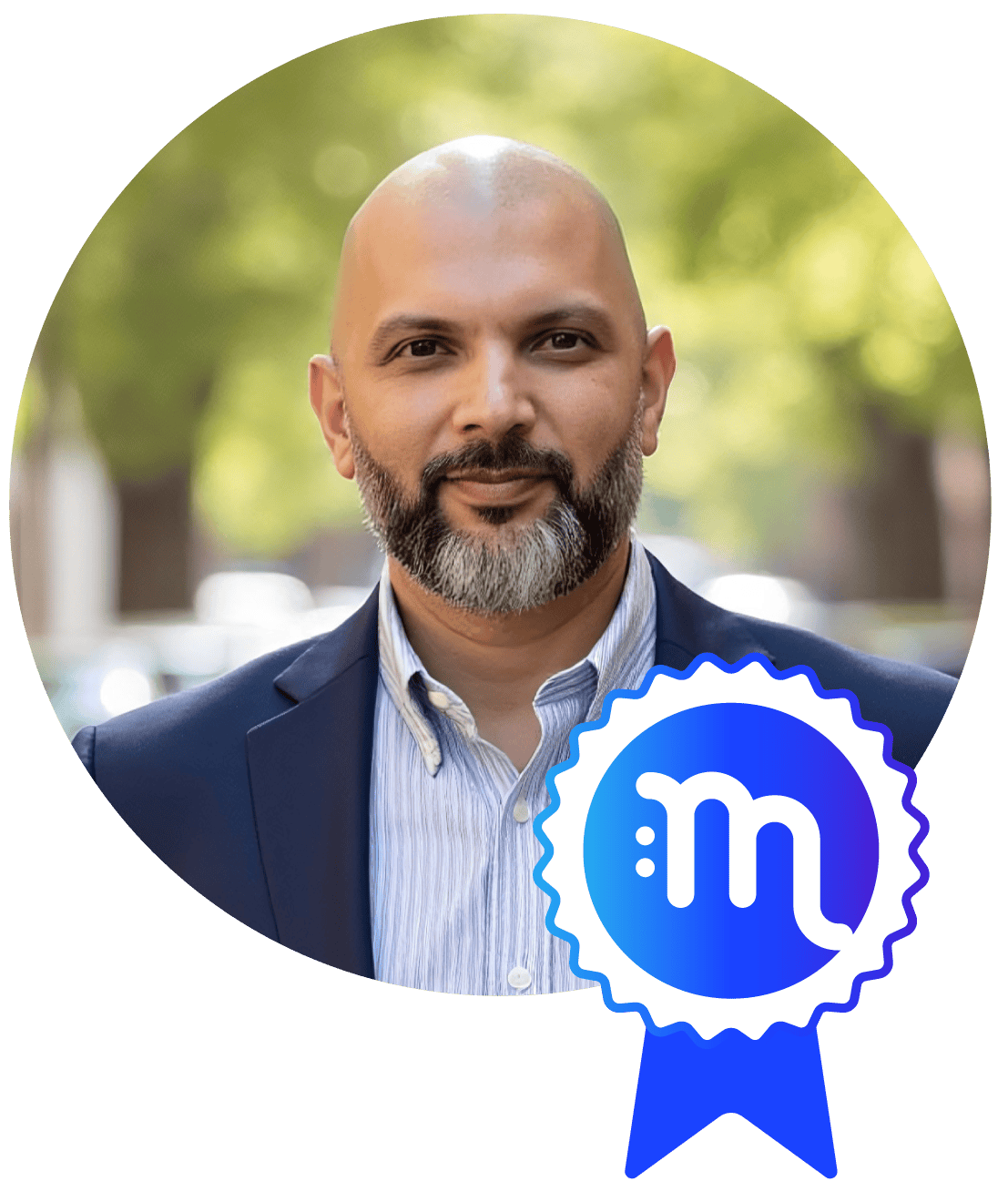
Outside of work, I’m a bit of a craftsman at heart. I’ll happily lose a weekend to a DIY project, and I enjoy the satisfaction of taking something apart, figuring out how it works, and making it better. That probably explains some of my approach to technology and problem-solving, too. But most of my time outside work is family time. I love traveling with my family, discovering new places, exploring nature, and trying the local cuisine wherever we go. I also enjoy being there for my kids’ games and activities, and when I can find some extra time, I’m usually out on my bike.
I recharge by stepping away and doing something completely different. Sometimes that’s a hands-on project or a long bike ride, and other times it’s some quiet time with a good book or meditation. Getting away from the immediate problem gives me some space to think. I usually come back with a clearer head and a different perspective on whatever I was working through.
It comes down to the people and the purpose. I’ve been with our AMS product since its early days, well before it became part of re:Members, and watching it grow gave me a real appreciation for the people behind the work. They’re smart, down-to-earth, and they show up for each other. And the work matters. What we build supports organizations that are doing important things for their industries and communities.
The more I understand what they’re trying to accomplish beyond the immediate request, the better decisions we make about what to build. What inspires me is how deeply they care about their members and the industries they serve. It keeps me asking a simple question: will this actually help them move their organization forward?
re:Members Agent is the one that excites me most. Instead of needing to know where information lives or how to navigate the product, staff can simply ask what they want to understand and let the system surface the answer, the insight, or even the view they need. That’s where AI gets really useful to me. It brings intelligence closer to the people doing the actual work and changes how they interact with their data.
There’s a line from George Bernard Shaw I keep in mind: “Progress is impossible without change, and those who cannot change their minds cannot change anything.”
I come into problems with a strong point of view, and I try to stay focused on the outcome rather than becoming too attached to how we get there. New information or a different perspective should be enough to make you reconsider the approach. For me, that balance of having conviction while staying open to adjusting course is important when working with both clients and teams.